class ii malocclusion division 2
Persons with class II division 2 malocclusion are characterized by a very specific dento-skeletal and soft-tissue profile a profile in which a protruding nose and chin retruding lips concave and shortened lower third of the face and gummy smile are dominant which is the opposite of the currently modern profiles convex profile of protruding lips and small chin. B Class II Division 1.

How Teeth Affect Posture Www Drstevenlin Com Dental Hygiene School Dentistry Dental Hygiene Student
Symptoms The most common symptom associated with Angles class II malocclusion is forward placement of upper anterior teeth.
. Mesiodistal first molar relationship normal. Malocclusions are normally hereditary. The Class II division 2 malocclusion occurs the least often and obtaining the sample for the purpose of evaluation has always remained a critical issue.
Treatment problems related to this malocclusion require that the clinician pay particular attention to the vertical dimension. Alignment of the buccal segments and Class II correction. Class II division 2 malocclusion is commonly associated with a mild Class II anteroposterior skeletal pattern.
Ad We Offer a Comprehensive Range of Quality Antibodies and Proteins. Class ii division 2 malocclusion characterized by retroclination of the maxillary incisors and a deep overbite1 has a reported prevalence in children in the united kingdom of 10. The vertical skeletal dimension is important.
Lower first molar distal to upper first molar. Skeletal Class II division 2 malocclusion Results from a discrepancy in the maxillary-mandibular skeletal relationship. Although Angle classified the malocclusion in 1890s there is still lack of clarity regarding the pathognomonic features of Class II division 2 malocclusion.
In cases with extreme overbite the incisal edges of the lower incisors may contact the soft tissues of the palate. The overjet is minimal however it can be normal or increased. This case report describes the orthodontic treatment of an adult patient who presented an Angle Class II division 2 malocclusion with deep traumatic overbite retroclined incisors with proclined left maxillary lateral incisor and mild gingival recessions.
Am J Orthod Dentofacial Orthop. Guidelines are proposed based on current evidence. The principal findings are an essentially normal skeletal pattern outside the immediate dental region with the major deviations directly involving the dentition.
A classification of skeletal facial types. Treatment and stability of class II division 2 malocclusion in children and adolescents. Incisor relationships are unique.
The Angles class II malocclusion is associated with two major factors skeletal problems and dental disturbances. Treatment of an adult Class II patient requires careful diagnosis and a treatment plan. These side effects are known by the following names.
There are six functions necessary in treating Class II Division 2 malocclusions which are general considerations for evaluating the mechanics sequence. Angles classification of malocclusion. Class II malocclusion includes those anomalies with the mesiobuccal cusp of maxillary first permanent molar occludes mesial to the mesiobuccal grove of the mandibular first permanent molar.
Class II malocclusion is among the most common developmental anomalies with a prevalence ranging from 15 to 30 in most populations 1 2. Class 2 or class II malocclusions are characterized by upper molars that are too far forward compared to the lower molars. Also the prevalence of mandibular movement pattern irregularities coupled with the droopy incisor.
It might be either due to. Intrusion of the lower incisors and cuspids. DI SALVO CLASSII DIVISION t 8 CLASS II DIVISION 2 C CLASS III D Figure 1.
Teeth crowding Mandible sitting far behind the maxilla What Factors Cause Class 2 Malocclusion. Class II Division 2 malocclusions often have skeletal patterns more nearly approaching Class I than Class II Division I. Advancement torque control and intrusion of the upper incisors.
A Class II division 2 II2 relationship describes the malocclusion where. The discrepancy between the upper and lower teeth does not match the discrepancy between the upper and lower teeth where the molars and canines are located red and blue arrows. There was moderate to severe attrition of.
The malocclusion was classified as Class II Division 2 characterized by the upright and retroclined position of upper central incisors in conjunction with excess vertical overbite and an excessive interincisal angle. Class II malocclusion is considered the most frequent problem presenting in the orthodontic practice affecting 37 of school children in Europe and occurring in 33 of all orthodontic patients in the USA. Class II division I if the incisors are proclined Class II division II if the incisors are retroclined.
Thus a Class II Division 1 subdivision is a Class II 294 NICHOLAS A. Highly biased evidence exists with regard to management and stability of Class II Division 2 malocclusion. Class II malocclusion is divided into.
Class 2 malocclusion is the disharmony between jaws and teeth which could cause serious complications for oral health. 1 Mandibular deficiency 2 Maxillary excess 3 or a combination of both 12. The Class II Division 2 malocclusion is often accompanied by a deep overbite and minimal overjet.
This overbite can be caused by an overly prominent upper jaw or an underdeveloped lower jaw. This malocclusion is likely to produce significant negative esthetic psychological and social effects 3 6. The lower incisors occlude palatal to the cingulum of the upper incisors and may produce trauma to the palatal tissues.
Types of class 2 malocclusion Class 2 malocclusions can be subdivided into two categories division 1 and division 2. Class II division 2 The class II division 2 differs from division 1 by the following characteristic. The condition is further divided in to division I and division II subtypes.
Lower anterior face height LAFH and Frankfortmandibular plane angle FMPA and maxillarymandibular plane angle MMPA are reduced as a result of a forward anticlockwise pattern of. A morphologic and functional evaluation of Class II division 2 malocclusion based on digitized data from cephalometric and cinefluorographic radiography and dental casts. 1 Class II malocclusion may also involve craniofacial discrepancies which can be adjusted when patients are adolescent.
2 prevalences of 5 to 12 in other european populations 3 4 5 6 and 3 to 4 in the united states 7 have been reported with the severe manifestation of. The upper central incisors and usually the lower incisors are retroclined. The usual treatment options in growing patients.

Overbite Intruding Lower Youtube Lower The Creator

Pin En Ontologia Edu

Youtube Orthodontic Treatment Orthodontics Dental Videos

Dentaltown Where The Dental Community Lives Dental Hygiene School Dental Hygiene Student Dental Assistant Study

Cc457 Chris Top 11 Cases 5 Crowded Cii Division 2 Malocclusion Youtube Esthetics Crowd Dental

Pin By Neha On Orthodontics In 2022 Orthodontics
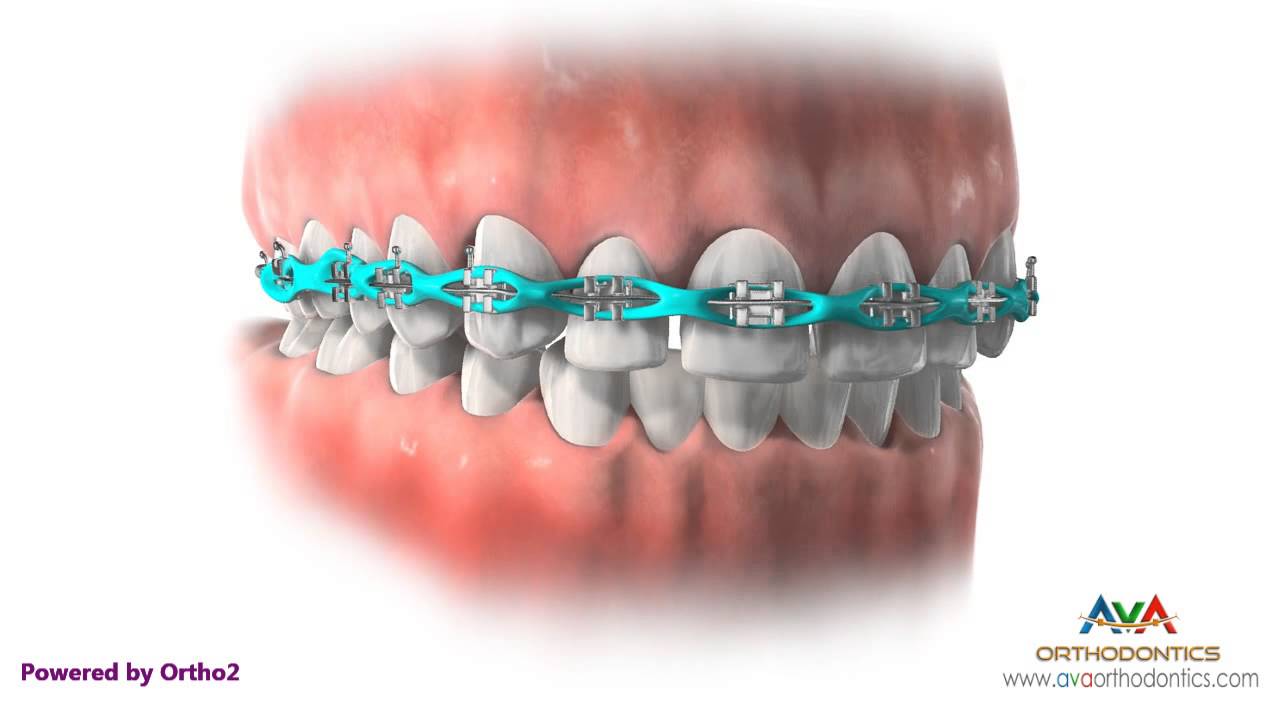
Space Closure By Power Chain Orthodontic Treatment Orthodontic Treatment Orthodontics Chain

Youtube Orthodontic Treatment Orthodontics Dental Videos

Class Ii Division 2 Malocclusion In Orthodontics Orthodontics Facial Esthetics Orthodontic Treatment

Dentaltown Where The Dental Community Lives Orthodontics Dental Dental Hygiene School

Orthodontist In Pune Braces Cost In Pune Dentist For Invisalign Invisible Braces Orthodontist Braces Cost Tooth Extraction Care

Pin On Pediatric Safety

Myofunctional Appliances Activator I Appliances Dental Student Appliances Design

Pin By Sathya Kumaresan On Neet Orthodontics Orthodontics Muscle Science

Youtube Orthodontic Treatment Orthodontics Dental Videos

Youtube Orthodontic Treatment Orthodontics Dental Videos

Pin On Pediatric Safety

Maloclusion Tipos De Maloclusiones Dentales C Tratamientos Dentales Dental Ortodoncia

Youtube Orthodontic Treatment Orthodontics Dental Videos